 The Borneo Project
Protect Rainforests in Borneo
Help protect rainforests, preserve critical wildlife habitat and restore ecosystem health in Sarawak.
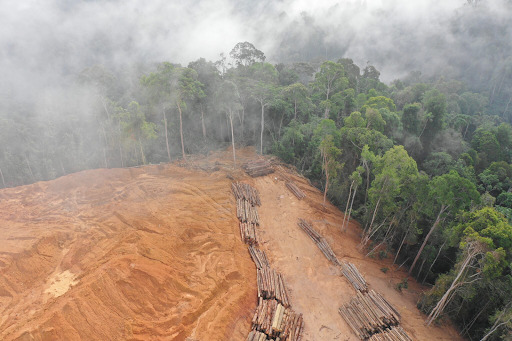
We are currently raising funds to support Indigenous-led forest conservation and restoration in Sarawak, Malaysian Borneo.
Support community-led efforts to empower Indigenous communities, restore ecosystems and build sustainable livelihoods in Malaysian Borneo by establishing Indigenous-managed protected areas.
Donate
You're protecting nature. We track your donations and report outcomes on every project — see your activity and badges on your personal page.
A small portion may go toward processing and transfer fees before reaching your project; we keep these as low as possible. Donations are sent on a rolling basis and are non-refundable.
Fundraising goal
$50K
Raised to date
$23
Funded
0%
Organization
The Borneo Project
Land Area Conserved
5,000 hectares of rainforest
Species Protected
40 threatened or endangered species
Project Information
Project Information
Important project details.
- Group
- The Borneo Project
- 501(c)3 Status
- YES
- Website
- https://borneoproject.org/
- Cost
- $50,000
- About
- The Borneo Project brings international attention and support to community-led efforts to defend forests, sustainable livelihoods and human rights.
- Species Saved
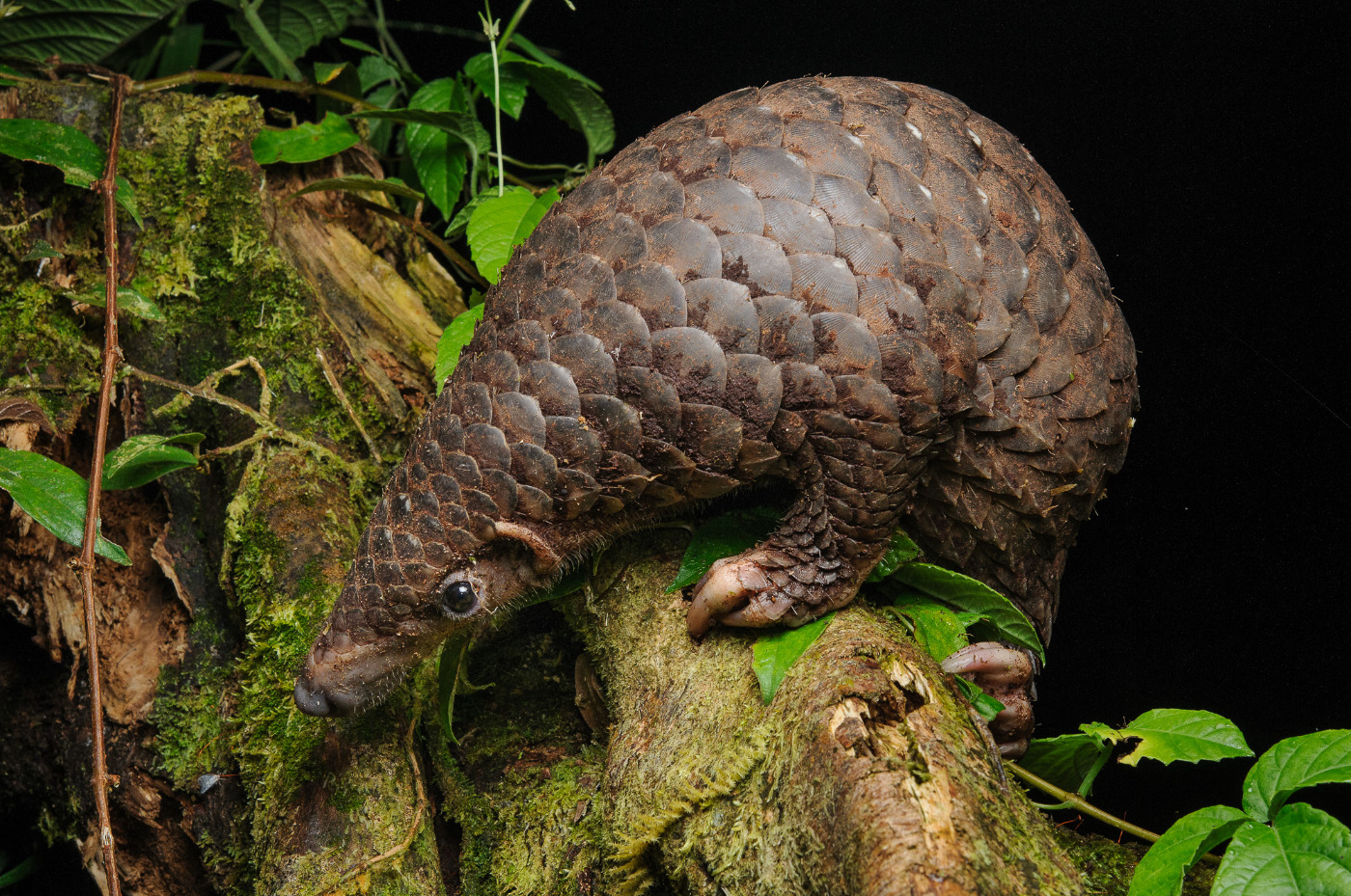
- Gibbons, clouded leopards, pangolins, sun bears, hornbills
- Project Activities
- Environmental Protection, Community-led conservation, forest restoration
- Location
- 2.60°, 112.887°
- Continents
- Asia
- Territories
- Malaysia (Sarawak)
- Geographic region type
- Borneo, Sarawak
Tropical forests are among the most powerful tools in the fight against climate change, biodiversity loss, and ecological destruction. Sarawak, Malaysian Borneo is home to some of the oldest rainforests on our planet. These forests are rapidly disappearing due to logging, palm oil and industrial timber plantations. But Indigenous communities are standing firm—and with your support, they are winning. Indigenous peoples are leading the fight to preserve their land, culture, and future. You can help stop deforestation and strengthen Indigenous resistance. With your support, we can help these communities secure lasting protections, challenge exploitative industries, and strengthen the movement for environmental and social justice.
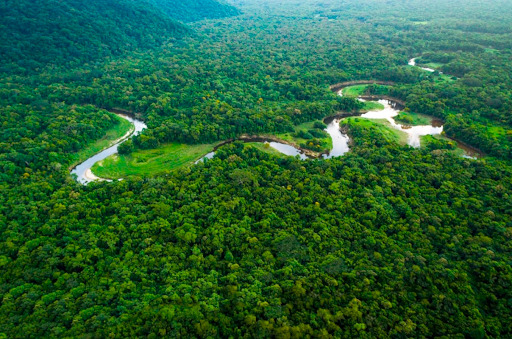
Although rainforests cover only 6% of the Earth’s surface, they produce more than 40% of the world’s oxygen.
The Borneo Project
At The Borneo Project, we believe that Indigenous people are the experts in determining what works for their communities and what they need. Real, lasting, and sustainable change comes from truly listening to Indigenous communities and ensuring they have the tools, resources, and power to lead their own initiatives. We work in a coalition, partnering with Indigenous-led organizations on the ground to strengthen their capacity and amplify their work.
By building and supporting our partner organizations, we create a foundation for long-term, community-driven environmental and social justice. With decades of experience working in the same region, we have deep relationships with local communities and a comprehensive understanding of the political, cultural, and ecological landscape.
Project Highlights and Conservation Impact
The Borneo Project works directly with communities to establish Indigenous and Community Conserved Areas—protected landscapes governed by Indigenous peoples through their own customary laws. We work directly with Indigenous-led organizations and local leaders to:
In addition, community members have conducted field surveys of more than 2,000 km of forest to study wildlife biodiversity, identifying endemic plant species and documenting ethnobotanical knowledge. The outcomes of these surveys will guide the initiative’s ongoing community-led restoration and protection efforts.
About The Borneo Project
The Borneo Project works directly with communities to establish Indigenous and Community Conserved Areas—protected landscapes governed by Indigenous peoples through their own customary laws. We work directly with Indigenous-led organizations and local leaders to: Establish protected areas under Indigenous governance; Map and document ancestral lands for legal recognition; Train local leaders in land stewardship and conservation strategies; Fund forest patrols, ecological restoration, and enforcement; Support sustainable livelihoods that align with long-term biodiversity conservation. Your contribution ensures that these forests remain in the hands of the people who have cared for them for generations—creating a model of conservation that is rooted in justice and long-term impact. The Borneo Project is fiscally-sponsored by the Earth Island Institute, a US-based 501(c)(3) non-profit.
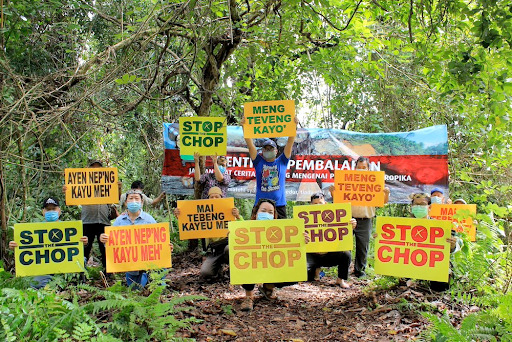
Organization Goals: To support Indigenous-led campaigns to secure legal land rights, and to support actions and activists to preserve Indigenous land rights. To support communities acting to preserve and conserve local ecosystems. To support cultural conservation efforts for Indigenous and forest-dependent communities in Borneo. To educate the American public about the importance of Borneo, Indigenous rights, and the role of forests in climate change and biodiversity conservation.
Over 80% of our funding comes from individuals like you. Your financial support directly fuels our work in preserving our planet’s ecosystems and safeguarding the rights of local communities. Your investment will make a tangible impact and contribute to a more sustainable and equitable world.
Executive Director, Borneo Project
Biodiversity Conservation in Borneo
The Borneo rainforest is the oldest rainforest in the world, and one of the most biodiverse. Its biodiversity has been safeguarded for centuries by the Indigenous communities that call those forests home.
It is now understood that securing Indigenous land rights in conservation and land management garners the best results for biodiversity conservation. Research has shown that Indigenous lands have equal-or-higher biodiversity than protected areas. The stakes are incredibly high for forest-dependent communities in protecting biodiversity, as they rely on healthy forests and rivers for their nutritional, cultural, and livelihood needs.