 Action For Cheetahs in Kenya
Protect Kenyan Cheetahs
Youth monitors use camera traps to track predator movements to prevent human and wildlife deaths
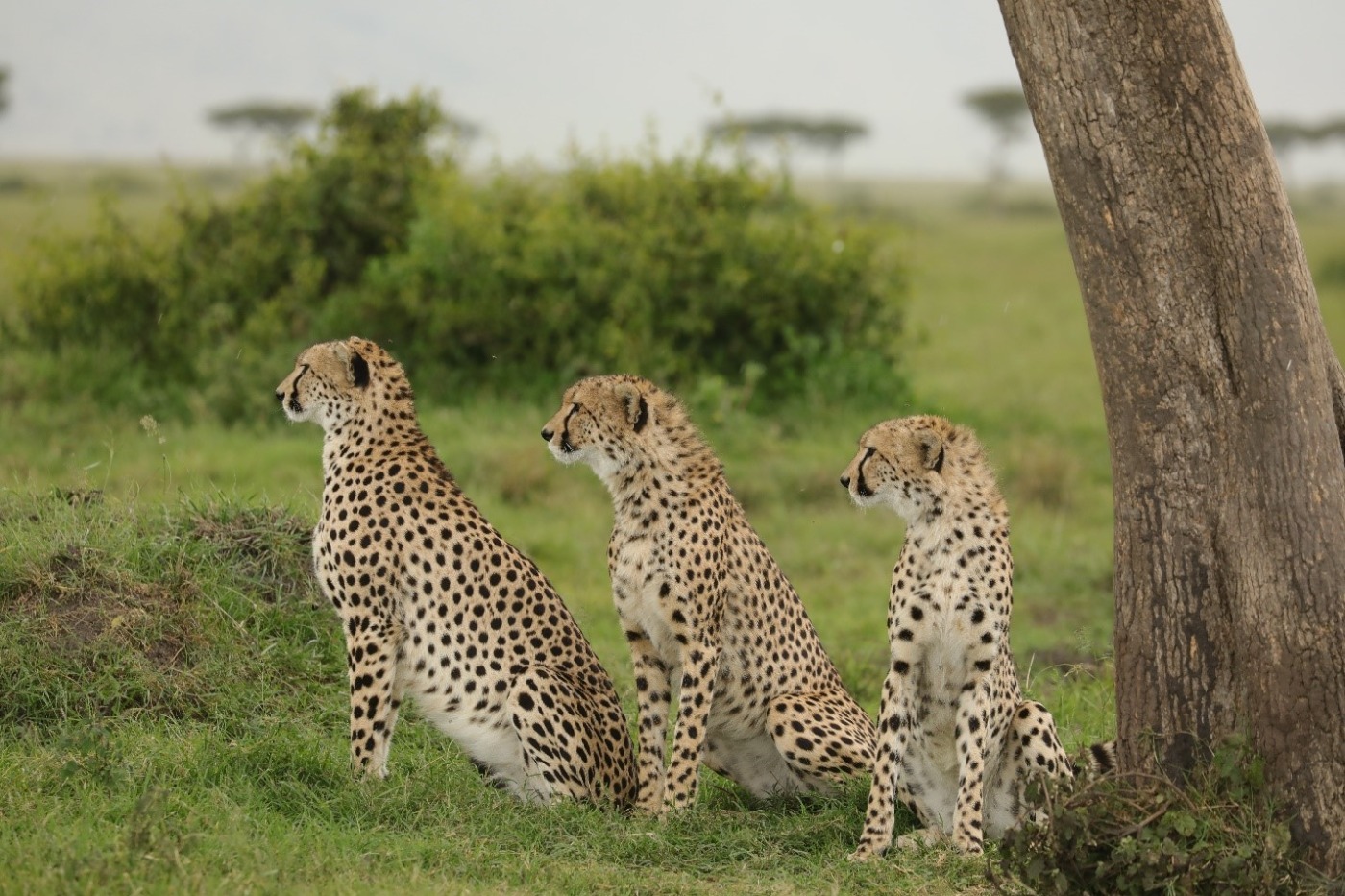
In the pastoral lands of northern Kenya, people often share travel routes with wildlife—especially predators and elephants—leading to dangerous conflicts. These encounters can result in the deaths of humans, livestock, and wildlife.
Action for Cheetahs in Kenya (ACK) addresses this issue by employing local pastoral youth to monitor five major travel corridors using 30 strategically placed camera traps. These cameras track the movements of both people and wildlife, enabling ACK to identify patterns and high-traffic times for predators. With this data, community members can be warned in advance to avoid these routes during risky periods.
To protect the equipment, youth monitors also help prevent the removal or destruction of camera traps. Additionally, ACK has introduced a reward system that encourages villages to participate in monitoring efforts by recognizing and rewarding images that capture predators. This approach not only protects the technology but also fosters a greater appreciation for wildlife.
By reducing human-wildlife conflict, this project will save lives—human and animal—and promote peaceful coexistence in shared landscapes.
Donate
You're protecting nature. We track your donations and report outcomes on every project — see your activity and badges on your personal page.
A small portion may go toward processing and transfer fees before reaching your project; we keep these as low as possible. Donations are sent on a rolling basis and are non-refundable.
Fundraising goal
$123.2K
Raised to date
$0
Funded
0%
Organization
Action For Cheetahs in Kenya
Work Completed
Monitor 5 travel corridors with 30 camera traps
Project Information
Project Information
Important project details.
- Group
- Action for Cheetahs in Kenya
- 501(c)3 Status
- YES
- Cost
- $123,194
- About
- Established in 2009, Action for Cheetahs in Kenya promotes the conservation of cheetahs through research, awareness, and community participation in Kenya.
- Species Saved
- Cheetah, Lion, Leopard, Hyena, Lycaon Pictus, Mongoose, Elephant, + More
- Project Activities
- Conservation
- Location
- 1.64°, 35.43°
- Continents
- Africa
- Geographic region type
- Kenya
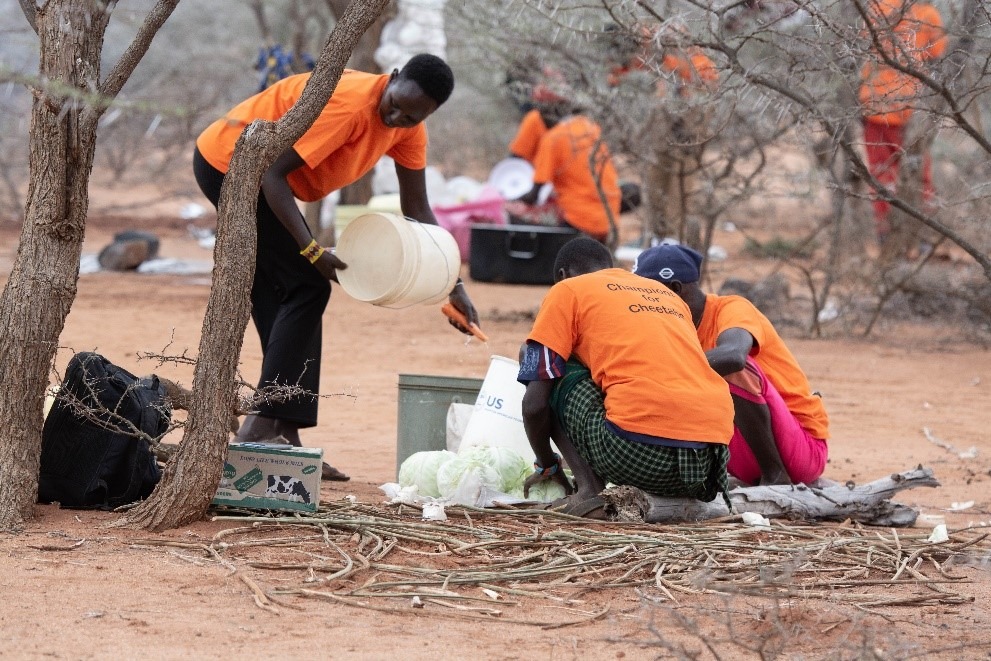
About Cheetah Conservation: The cheetah is a vulnerable species throughout its range and is considered endangered in Kenya due to loss of habitat and land use change. Current estimates range from 1000 to 1400 remaining in Kenya. Illegal wildlife trade is an emerging threat to cheetahs in Kenya. Action for Cheetahs in Kenya (ACK) is a community-based project focused on the relationship between cheetahs and people both inside and outside of protected areas. ACK incorporates community and research as a base for conservation. We use local field staff to collect and manage data on land use change, infrastructure development and wildlife monitoring. Research incorporates local staff of various ages and educational backgrounds to empower and build in-country capacity and to encourage participatory conservation actions. Education and outreach activities share results from our research with the community and enhance their passion to take responsibility for environmental caretaking. In addition to human elements and technology in research methods we also incorporate detection dogs and pet care into a one-health element of our project. To grow our programs, we need the resources of staff and equipment. In the coming years, we will complete the second national cheetah survey while implementing long term programs within a pastoral community in northern Kenya. CaLL (CARNIVORES, LIVELIHOODS AND LANDSCAPES ) is a registered Kenya organization that links carnivore researchers and encourages joint efforts in carnivore conservation throughout Kenya. CaLL is guided by a board of directors to assist its projects to function within the legal framework in Kenya and produce results in carnivore conservation in affiliation with the Kenya Wildlife Service. CaLL assists in setting up systems that employ staff within the guidelines of the Kenya Revenue Authority, and assure that affiliated projects meet Kenya regulated employment regulations. Human activities cause declines in carnivore population numbers and have reduced their geographic ranges throughout the world. Even where carnivores are not directly persecuted, they are often vulnerable to incidental decline due to their large ranges, high energy requirements, and small population sizes. Human pressures on predator populations in Kenya reflect the problems facing predators throughout their range. CaLL stresses the focus of carnivore co-existence with people in a sustainable environment for the future of carnivore conservation in Kenya.