The cheetah is a mysterious wide-ranging species meaning that it is difficult to find, especially outside of protected areas where 75% of cheetahs live and interact with people.
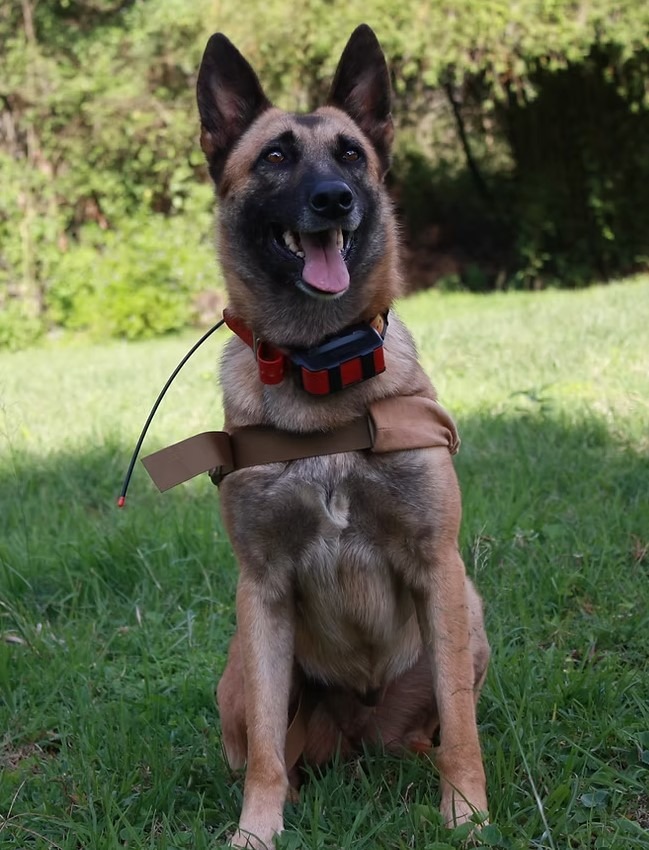
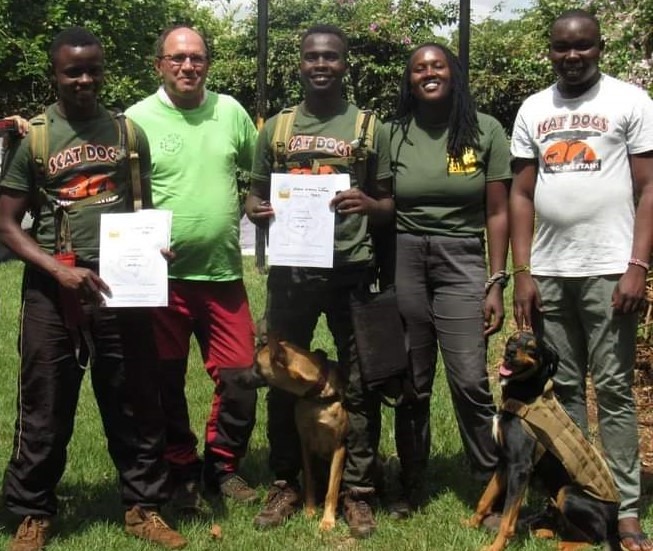
Action for Cheetahs in Kenya (ACK) uses Scat Detection Dogs, a relatively new method of non-invasive research which ACK implemented in 2018 as a tool to find cheetah fecal samples for use in the study of diet, health and the cheetah's genetic pool strength to take protective actions in the field.
ACK is building a strong geo-reference database which could map up to 50% of the cheetah population in Kenya in the next few years. ACK’s Scat Dog Team will search 25 sites to capture between 20 to 50 scats per site between 2025 and 2028.
In Phase 2 of the Scat Dog project they will conduct capture-recapture methods in one area for a longer time period in order to accurately determine the number of cheetah. This method combines the use of dogs and community rangers in designated areas to recheck sites identified as play-tree locations. Through genetic analysis, this method evaluates the length of time a cheetah remains in one specific area compared to the distances they travel into the range of other cheetahs. Both the short and long-term projects will also enable ACK to map the pedigree relationships between cheetah range areas. An internationally accessible database will also be used to help monitor illegal trade activities. It is crucial for the future health of Kenyan cheetahs to work with modern tools and technology to find accurate ways to study and understand this illusive species.
Donate
You're protecting nature. We track your donations and report outcomes on every project — see your activity and badges on your personal page.
A small portion may go toward processing and transfer fees before reaching your project; we keep these as low as possible. Donations are sent on a rolling basis and are non-refundable.
Fundraising goal
$192.9K
Raised to date
$0
Funded
0%
Organization
Action For Cheetahs in Kenya
Species Protected
Cheetah
Project Information
Project Information
Important project details.
- Group
- Action for Cheetahs in Kenya
- 501(c)3 Status
- YES
- Cost
- $192,913
- About
- Action for Cheetahs in Kenya was established in 2009. They promote the conservation of cheetahs through research, awareness, and community participation in Kenya. They operate as part of CaLL (Carnivores, Livelihoods and Landscapes ), a registered Kenya organization.
- Species Saved
- Cheetah
- Location
- 1.46°, 36.24°
- Continents
- Africa
- Geographic region type
- Kenya
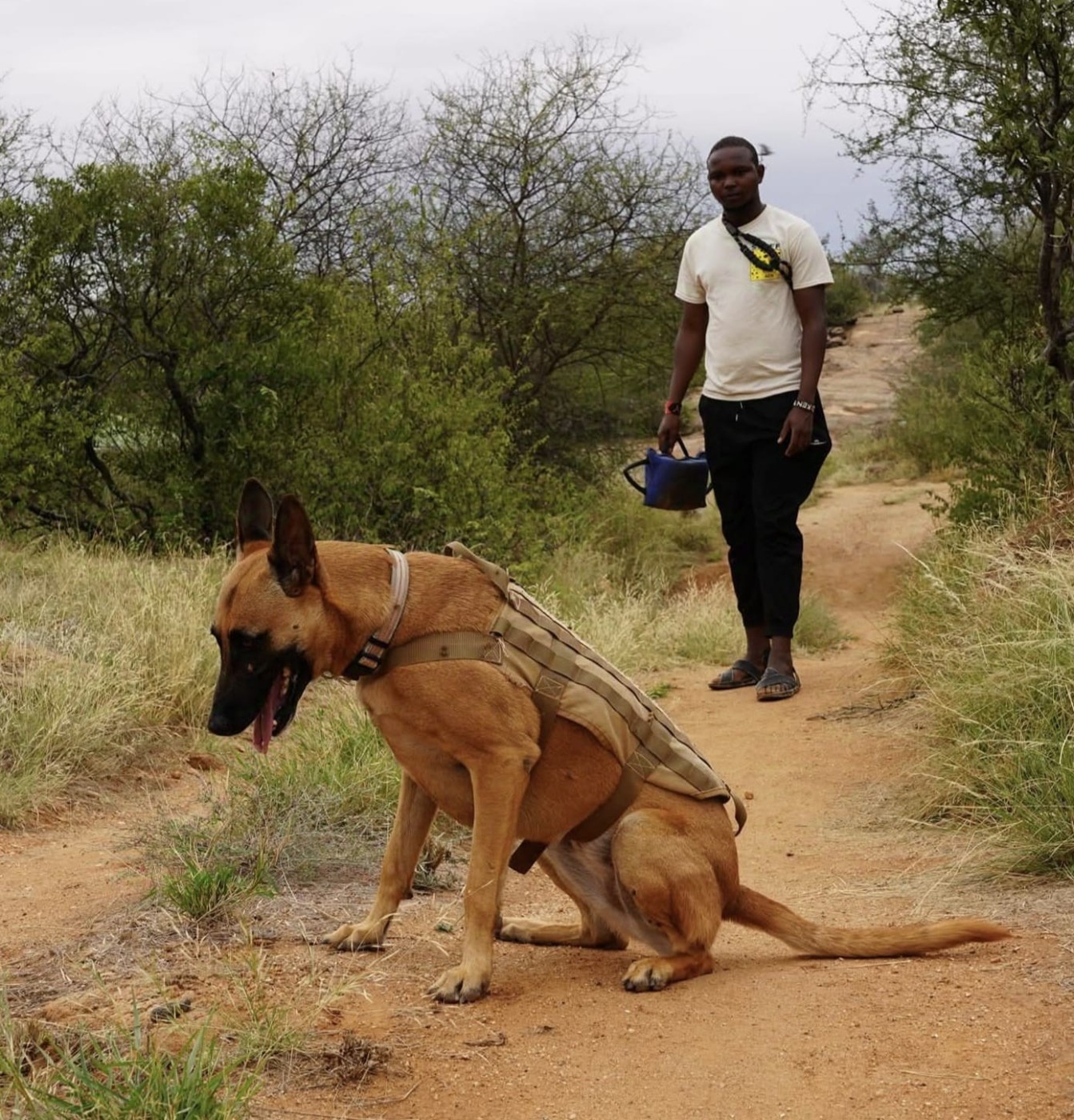
The cheetah is a vulnerable species throughout its range and is considered endangered in Kenya due to loss of habitat and land use change. Current estimates range from 1000 to 1400 remaining in Kenya. Illegal wildlife trade is an emerging threat to cheetahs in Kenya. Action for Cheetahs in Kenya (ACK) is a community-based project focused on the relationship between cheetahs and people both inside and outside of protected areas. ACK incorporates community and research as a base for conservation. We use local field staff to collect and manage data on land use change, infrastructure development and wildlife monitoring. Research incorporates local staff of various ages and educational backgrounds to empower and build in-country capacity and to encourage participatory conservation actions. Education and outreach activities share results from our research with the community and enhance their passion to take responsibility for environmental caretaking. In addition to human elements and technology in research methods we also incorporate detection dogs and pet care into a one-health element of our project. To grow our programs, we need the resources of staff and equipment. In the coming years, we will complete the second national cheetah survey while implementing long term programs within a pastoral community in northern Kenya. CaLL (CARNIVORES, LIVELIHOODS AND LANDSCAPES ) is a registered Kenya organization that links carnivore researchers and encourages joint efforts in carnivore conservation throughout Kenya. CaLL is guided by a board of directors to assist its projects to function within the legal framework in Kenya and produce results in carnivore conservation in affiliation with the Kenya Wildlife Service. CaLL assists in setting up systems that employ staff within the guidelines of the Kenya Revenue Authority, and assure that affiliated projects meet Kenya regulated employment regulations. Human activities cause declines in carnivore population numbers and have reduced their geographic ranges throughout the world. Even where carnivores are not directly persecuted, they are often vulnerable to incidental decline due to their large ranges, high energy requirements, and small population sizes. Human pressures on predator populations in Kenya reflect the problems facing predators throughout their range. CaLL stresses the focus of carnivore co-existence with people in a sustainable environment for the future of carnivore conservation in Kenya.