 Global Coralition Inc.
Restore Coral Reef Habitat in the Caribbean
Help bring back the coral reefs we need to survive and thrive
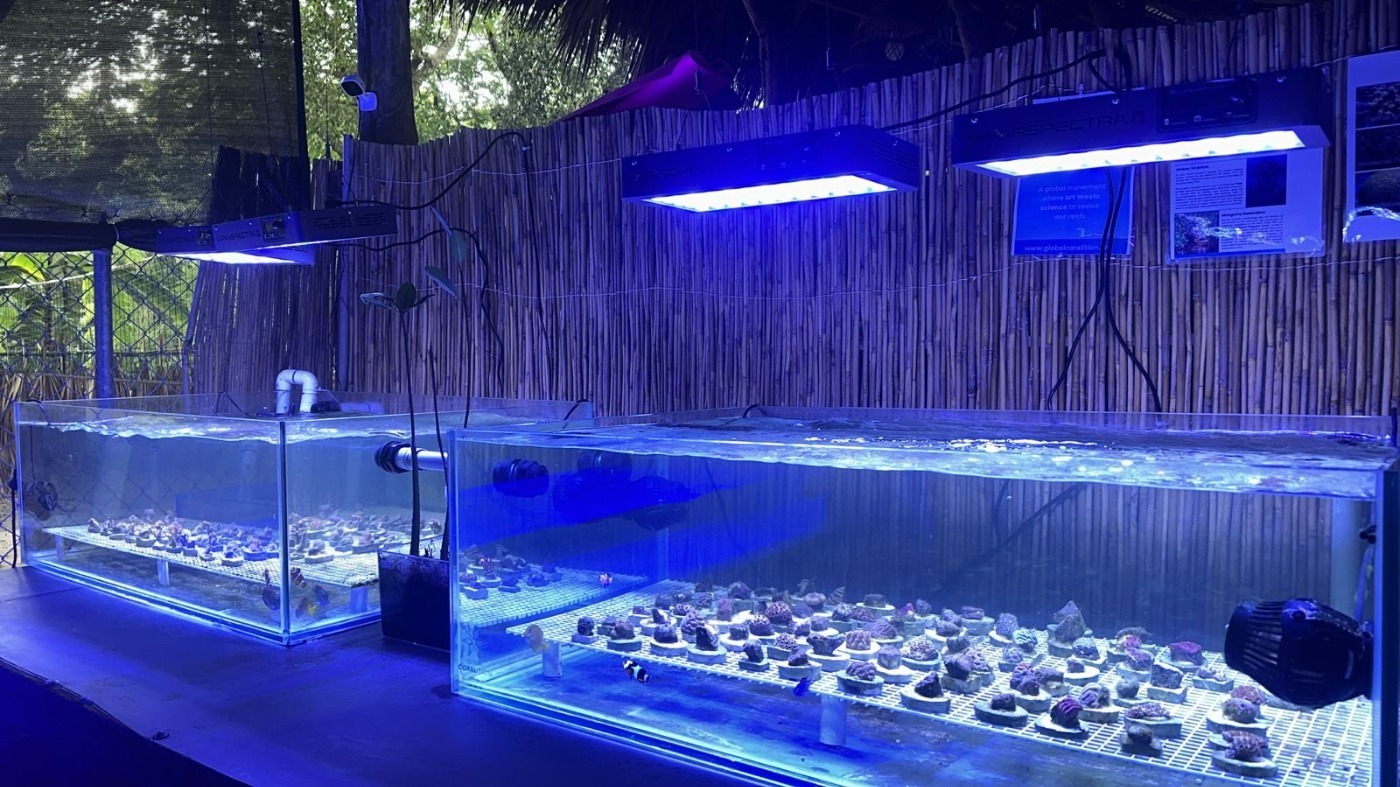
Land-based Coral Farming offers 50x faster growth rates and the ability to improve efficiency and safe keeping of coral on land. Growing coral on land is the breakthrough we need to preserve and regenerate our precious coral reef ecosystems.
Using a solar-powered system, our aquarist has been growing coral for 20 years. His farm is low cost, low energy and highly efficient, making it accessible to low-income developing regions where most reefs are located.
Donate
You're protecting nature. We track your donations and report outcomes on every project — see your activity and badges on your personal page.
A small portion may go toward processing and transfer fees before reaching your project; we keep these as low as possible. Donations are sent on a rolling basis and are non-refundable.
Fundraising goal
$87K
Raised to date
$10
Funded
0%
Organization
Global Coralition Inc.
Coral
22,000+ Species
Project Information
Project Information
Important project details.
- Group
- Global Coralition
- 501(c)3 Status
- YES
- Phone
- +1 (818) 836 1538
- Cost
- $87,000
- About
- We are currently raising funds to build Phase 2 of a land-based coral farm in the Dominican Republic.
- Species Saved
- 33,000 species (22,000 macroscoopic species)
- Project Activities
- All, Rewilding, Environmental Protection
- Location
- 18.43°, -72.34°
- Continents
- North America
- Territories
- Dominican Republic
- Geographic region type
- Caribbean
We are a Coralition of aquarists and cultural leaders uniting art, science and communities to regenerate marine ecosystems.
Our project is led by an aquarist with 20 years of experience in cultivating coral in the aquarium industry And we work closely with a local ecologist who has 15 years of experience with local species.
Our land farm is tended to daily for monitoring and maintenance and we do an outplantation once a month. Then the corals in the water are maintained once every two weeks.
A solar powered turn-key system
Our aquarist has been growing coral for 20 years. His farm is low cost, low energy and highly efficient, making it accessible to low-income developing regions where most reefs are located.
Every tank added to a farm holds 2880 corals with lower cost/coral. We out plant 20% of each tank each month which equals 6912 corals out planted per year per tank.
Our method of training a local team and developing education and ecotourism experiences around the farm allows this model to be community led and self-sustainable, thus more easily scalable and replicable.
About Coralition
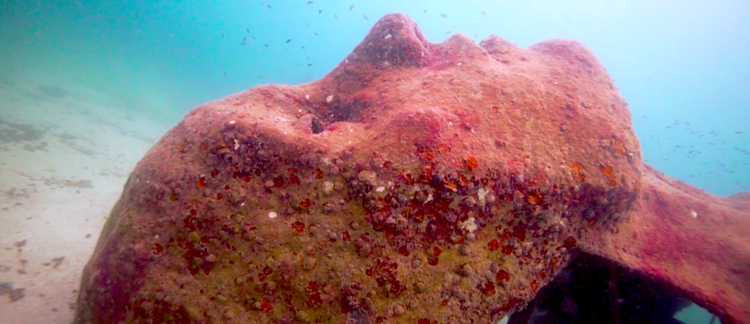
Coralition co-founders Angeline Chen and Kyle Block, had their paradigm forever altered while living in Thailand and watching a coral reef they loved dying before their eyes. As they learned about the dire situation for reefs worldwide, they also learned about the immense capabilities to rehabilitate these essential ecosystems. With the guidance of scientific leaders in the field, they realized the need for widespread cultural transformation and developed this approach bridging art, science and communities. Their sculptures aim to offer the world a felt and transformative connection to our oceans and each other.
Coral reefs are one of the most diverse communities per unit area on Earth. They occupy only 0.1% of the Earth's surface and about 0.2% of the oceans, but, at about 95,000 described species, they represent about 5% of the world's known species and about 35% of known marine species.
Select Reward
Get your Global Badge
If you donate more than $30 you will be rewarded with ActGreen's very own rainbow Global Conservation Badge.