 Action For Cheetahs in Kenya
Protecting Cheetahs By Educating Youth
Creating the next generation of Kenya conservationists
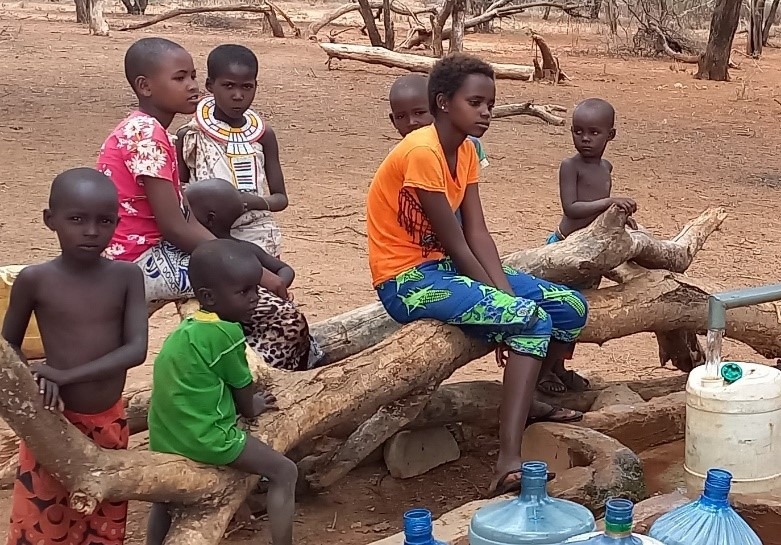
Using cheetah outreach to educate pastoral youth and to convert them to become wildlife lovers.
Kenya raises over 46 million goats and sheep (shoats) annually. Shoats are frequently easy prey for African predators like cheetah leopard, hyena, wild dog and lion.
Youth herders who are taken out of school by their parents must tend to the family’s shoats in pastures. These youth herders often grow up without reading or math skills, despising predators. Action for Cheetahs in Kenya (ACK) is working to educate them in these basic skills as well as informing them about predators, particularly cheetah.
Below: Youth Herders fetching water for shoats
Donate
You're protecting nature. We track your donations and report outcomes on every project — see your activity and badges on your personal page.
A small portion may go toward processing and transfer fees before reaching your project; we keep these as low as possible. Donations are sent on a rolling basis and are non-refundable.
Fundraising goal
$21.4K
Raised to date
$0
Funded
0%
Organization
Action For Cheetahs in Kenya
People Impacted
By year three, educate and make cheetah lovers at 3 different schools with 20 young herders.
Project Information
Project Information
Important project details.
- Group
- Carnivores, Livelihoods and Landscapes Ltd. dba Action for Cheetahs in Kenya (ACK)
- 501(c)3 Status
- YES
- Cost
- $21,391
- About
- Action for Cheetahs in Kenya was established in 2009. They promote the conservation of cheetahs through research, awareness, and community participation in Kenya. They operate as part of CaLL (Carnivores, Livelihoods and Landscapes ), a registered Kenya organization.
- Species Saved
- cheetah & most other African wildlife
- Project Activities
- Pastoral youth outreach and education, creating new wildlife lovers
- Location
- -1.80°, 37.227°
- Continents
- Africa
- Geographic region type
- Kenya
Action for Cheetahs in Kenya works closely with the Meibae Community Conservancy to identify solutions for conflicts with predators, with a focus on the cheetah. While many night time conflicts can be mitigated by livestock enclosure improvement, it is much more challenging to mitigate daytime conflicts in the grazing fields. Through research projects that included interviews with livestock owners and cheetah scat analysis, a few issues have become clear. First, young herders are not ideal when a predator approaches livestock because they are too small to fend off the predator and they are traumatized by the encounter. Secondly, shoat make up only 10% of cheetah diet which could be reduced if proper herding practices were in place. Kenyan children are required by law to attend school. However, in remote pastoral areas those laws are rarely enforced. Children as young as 10 may be selected by their parents to help herd the family’s shoats rather than to attend traditional schools. Naturally, the young children grow up with contempt, perhaps even hatred of cheetahs at the same time as lacking skills in reading and math. Some schools cater to this age group by conducting some after-school classes particularly for herders. ACK assists in educating young herders by using wildlife as a training tool in reading and math. The classes aim to make learning fun and to incorporate conservation messages aimed at converting that hatred to love and appreciation. The initial program will run for 10 weeks in one school. Education materials include number and alphabet charts, wildlife videos and games. Parents will register their children and the courses will be at a time and place central to a strong population of young school aged herders. By year three, they hope to have 20 students at 3 different schools.
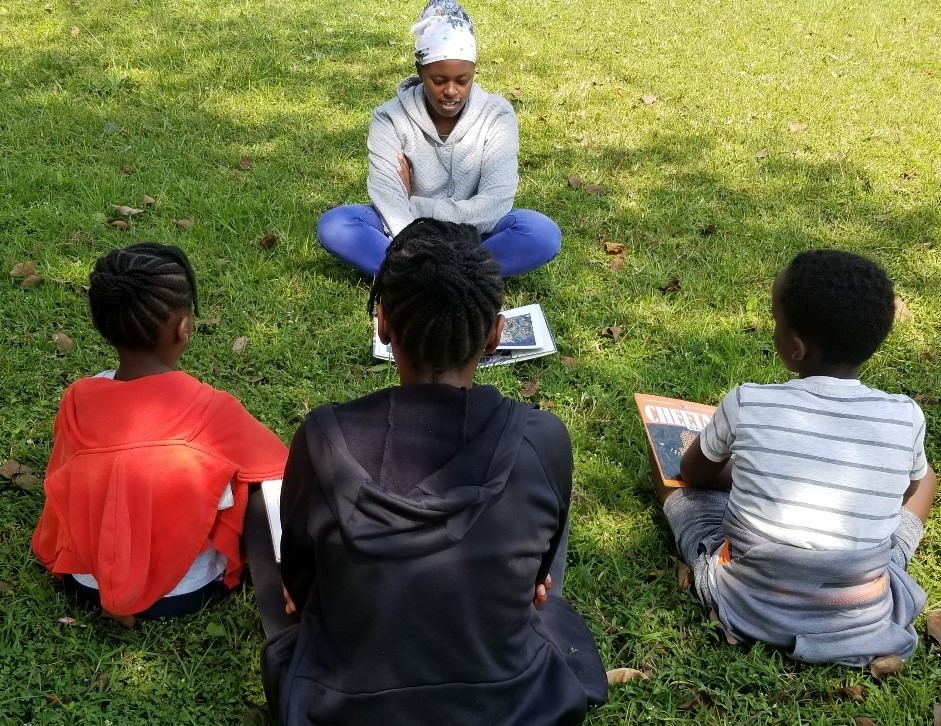
The lessons from Action for Cheetahs in Kenya are the only education some of these children receive.
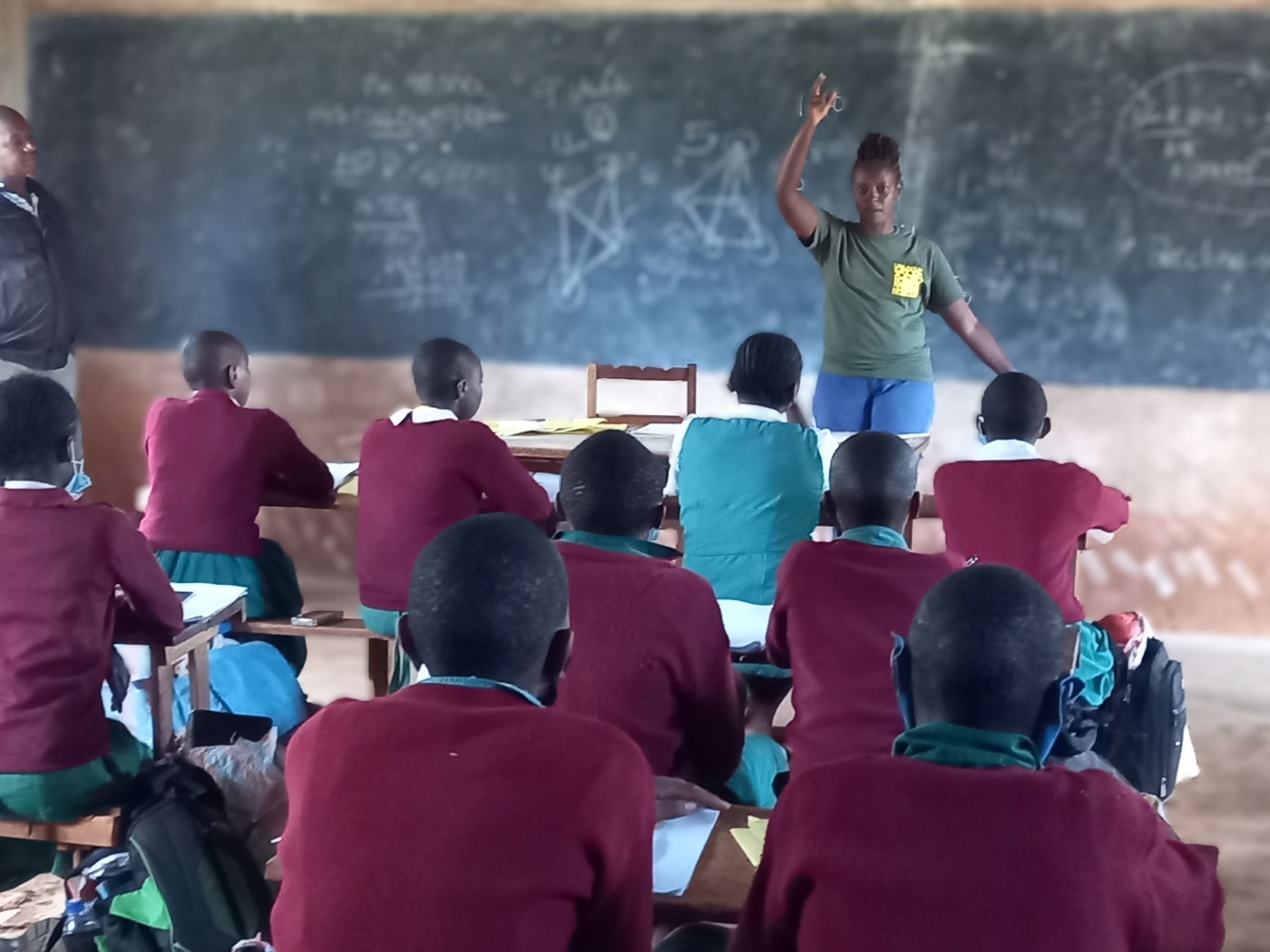
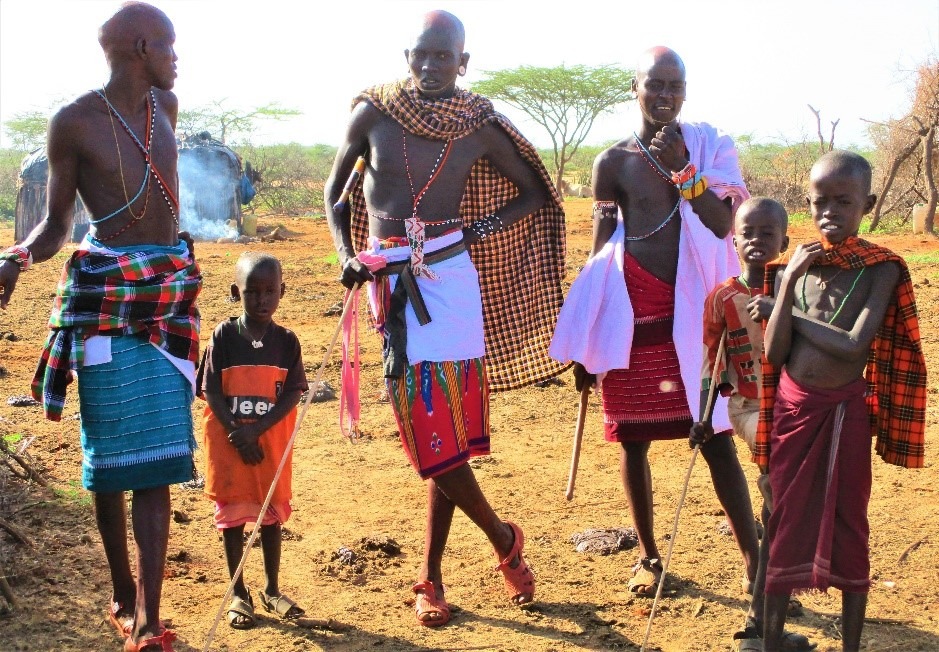
About Cheetah Conservation: The cheetah is a vulnerable species throughout its range and is considered endangered in Kenya due to loss of habitat and land use change. Current estimates range from 1000 to 1400 remaining in Kenya. Illegal wildlife trade is an emerging threat to cheetahs in Kenya. Action for Cheetahs in Kenya (ACK) is a community-based project focused on the relationship between cheetahs and people both inside and outside of protected areas. ACK incorporates community and research as a base for conservation. We use local field staff to collect and manage data on land use change, infrastructure development and wildlife monitoring. Research incorporates local staff of various ages and educational backgrounds to empower and build in-country capacity and to encourage participatory conservation actions. Education and outreach activities share results from our research with the community and enhance their passion to take responsibility for environmental caretaking. In addition to human elements and technology in research methods we also incorporate detection dogs and pet care into a one-health element of our project. To grow our programs, we need the resources of staff and equipment. In the coming years, we will complete the second national cheetah survey while implementing long term programs within a pastoral community in northern Kenya. CaLL (CARNIVORES, LIVELIHOODS AND LANDSCAPES ) is a registered Kenya organization that links carnivore researchers and encourages joint efforts in carnivore conservation throughout Kenya. CaLL is guided by a board of directors to assist its projects to function within the legal framework in Kenya and produce results in carnivore conservation in affiliation with the Kenya Wildlife Service. CaLL assists in setting up systems that employ staff within the guidelines of the Kenya Revenue Authority, and assure that affiliated projects meet Kenya regulated employment regulations. Human activities cause declines in carnivore population numbers and have reduced their geographic ranges throughout the world. Even where carnivores are not directly persecuted, they are often vulnerable to incidental decline due to their large ranges, high energy requirements, and small population sizes. Human pressures on predator populations in Kenya reflect the problems facing predators throughout their range. CaLL stresses the focus of carnivore co-existence with people in a sustainable environment for the future of carnivore conservation in Kenya.