The California Condors Past, Present, and FutureThunderbirds Return to Redwoods
The California Condor, nearly extinct, is being successfully reintroduced to Redwood National Park, helping restore its ecosystem.
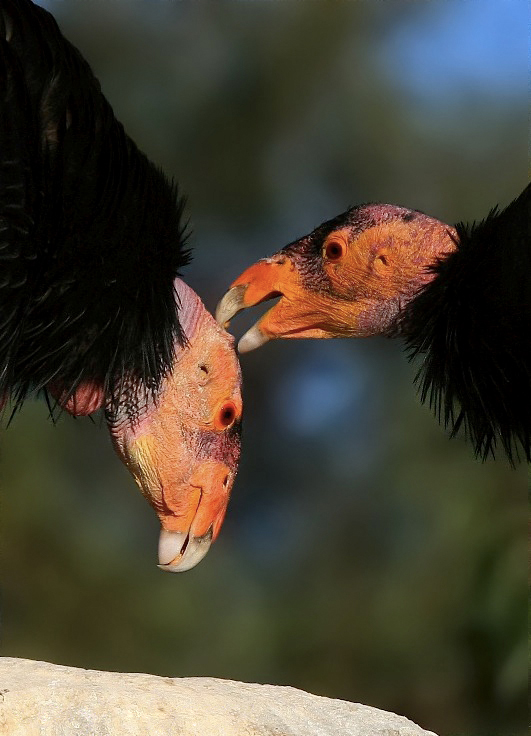
The sky darkened like when an airplane shadow crosses over you. Hiking along the South Rim trail in Grand Canyon National Park in May of 2013, we first saw the magnificent California Condor with its 9.5 feet wingspan. The largest bird in North America, the black-feathered Condor can fly 15,000 feet high at speeds of up to 50 miles per hour.
Near extinction in 1982, only 22 California Condors were alive in the entire world. Luckily, in 1992, the United States Fish and Wildlife Service (USFWS), along with public and private partners, began the California Condor Recovery Program. They started reintroducing condors bred in captivity back into the wild.
Grand Canyon National Park hosted one of their first nesting spots. Only eight pairs of wild-nesting Condor pairs existed in 2002. But since then, the program has become a huge success. As of June, 2024, the USFWS reported the California Condor population had grown to 560 birds.
Currently, over 200 birds live in captivity, mostly in breeding programs. The Peregrine Fund’s World Center for Birds of Prey, the Los Angeles Zoo, the San Diego Zoo and Safari Park and the Oregon Zoo in the U.S. along with the Chapultepec Zoo in Mexico City, Mexico, all have condor breeding programs hosting most of the captive birds. This means that over 300 condors free-fly in the wild, more than double the birds in captivity. In addition to Grand Canyon National Park, the California Condor Recovery Program has released California Condors at Pinnacles National Park, Zion National Park and Glen Canyon National Recreation Area.
The Northern California Condor Restoration Project is a partnership between Redwood National Park and the native Yurok Tribe. Together they manage a flight pen in Redwood National Park to help acclimate the birds to the region before they get rewilded. The Yurok Tribe from the redwood region near the Pacific Ocean had worked for over 15 years to rewild California Condors into their historic territory. The Yurok and other Native American tribes had nicknamed them “Thunderbirds" because they believed the flaps of their enormous wings caused thunder.
As of the summer of 2024, Thunderbirds once again darken the skies of Redwood National and State Parks and forests. Two California Condors were released by the Northern California Condor Restoration Project into the wild in July of 2022. They plan to rewild four to six birds per year for the next twenty years. Rewilding the condor will bring back a missing balance to the region’s ecosystem. Condors are the only natural scavengers strong enough to break the bone structure of large creatures like elk, deer, and sea lions.
This is a huge victory for nature, one that ActGreen celebrates and a powerful example that gives us hope that we can help restore ecosystems that were previously destroyed. To see this rewilding process in action, you can watch live as more Condors are being reintroduced and acclimated at the Redwood National Park flight pen, on the Yurok Tribe’s Condor Cam: www.yuroktribe.org/yurok-condor-live-feed.